
First Home Loans in New Zealand
Know what you can afford before you start making offers.

Get ready for your first home loan
What would your deposit look like on a $700,000 home?
A 20% deposit is a common starting point. Some lenders consider smaller deposits, depending on your circumstances and the property.
| Deposit | You put in | Loan before fees |
|---|---|---|
| 20% | $140,000 | $560,000 |
| 10% | $70,000 | $630,000 |
| 5% | $35,000 | $665,000 |
Illustrative figures in NZ dollars. A smaller deposit means a larger loan for the same home. Ask what fees or rate differences could apply.
Using KiwiSaver or family help
If you’re eligible, KiwiSaver may form part of your deposit. You generally need at least three years of membership and must leave at least $1,000 in the account. Ask your provider to confirm the amount and timing, especially if you’re relying on the money for a payment due under the sale agreement.
If family is helping, tell your adviser whether the contribution is a gift or a loan. The lender may ask for evidence of the source and terms. Read Inland Revenue’s KiwiSaver withdrawal guidance.
Buying with a smaller deposit
Some lenders consider standard low-deposit applications. The Kāinga Ora First Home Loan is a separate option through participating lenders. Eligible buyers may be able to apply with a 5% deposit. Certain previous homeowners may qualify under the programme criteria, and the lender makes the final lending decision.
What can you comfortably afford?
A lender looks at your deposit, income, spending and existing debts. Work out what fits your own budget once you add council rates, insurance, maintenance and any body corporate levies.
Use our NZ mortgage calculator to estimate repayments, then test a higher rate to see how your budget would change. Bring your figures to an adviser for a separate borrowing assessment.
Compare fixed, floating and split loans
A fixed rate makes repayments more predictable during the fixed period. A floating rate can move and may offer more flexibility for extra repayments. A split loan combines the two. Ask how rate changes, early changes to a fixed loan and repayment limits could affect your plans.
How first-home mortgage pre-approval works
Pre-approval indicates how much a lender may lend, subject to conditions. Ask what still needs checking and when the approval expires.
- Review your budget and deposit. Talk through your savings, your income and what you’d feel comfortable paying.
- Compare suitable lenders. We explain the options available through the lenders we work with and help you prepare the application.
- Check finance for the property. Once you have an address, we help you understand any remaining lender checks. Speak with your solicitor before signing an offer and confirm finance for the specific property before bidding at auction.
What to have ready
- Photo ID and recent payslips or self-employed income records
- Bank statements and details of loans, credit card limits and expenses
- Proof of savings, any KiwiSaver withdrawal estimate and evidence of a gifted deposit if applicable
- The property address, agreement or auction date, if you have one
Meet Jatinder Singh, mortgage adviser
Jatinder has over 10 years of mortgage advice experience in New Zealand and overseas. Based in Manukau, Auckland, Loans & Mortgages works with first-home buyers across New Zealand.
Related mortgage services
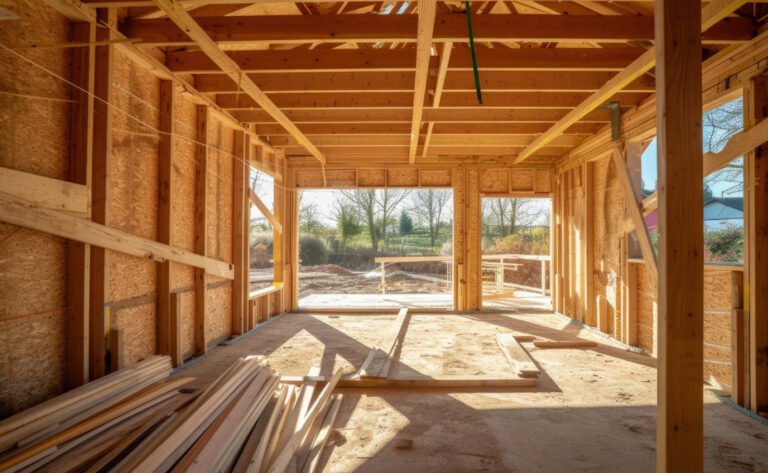
Construction Loans
Explore funding for a new build.
Home Renovation Loans
Compare ways to fund work on an existing home.
Related blog articles

How much can I borrow and afford?
Compare borrowing capacity with what fits your budget.

How to apply for a home loan in New Zealand
See the application steps, including pre-approval.
First Home Buyer FAQs
Your deposit depends on the lender, the property and your circumstances. Some lenders consider lower-deposit applications. The Kāinga Ora First Home Loan has its own eligibility criteria and is available through participating lenders.
You may be eligible to use part of your KiwiSaver savings for a first home. Check with your KiwiSaver provider before relying on the money for your deposit.
A lender considers your income, expenses, debts and deposit when assessing how much you could borrow. The mortgage calculator estimates repayments for an amount you enter. Ask an adviser about a borrowing assessment.
Start with photo ID, proof of income, recent bank statements and evidence of your deposit. Your lender may ask for additional documents depending on your circumstances.
Timing varies by lender, how complete the application is and what property checks are still needed. Ask your adviser what could delay a decision if you’re working to an offer or auction deadline.
Talk through your first home plans
Bring your deposit estimate and any questions about repayments or pre-approval. We’ll help you work out what to prepare next.